
Jp’s Wallet Pain Index Rating Scale
I don’t use a generic 5-star or 10-star system because those numbers don’t actually tell you how much something hurts when you buy it. Most star ratings are vague—what’s the real difference between a 3 and a 4? Instead, I rate products using the Jp’s Wallet Pain Index, a scale built around one simple question: How much did this purchase hurt… or help… my wallet and my sanity?
Each level on the Wallet Pain Index reflects an emotional and financial reaction, not just performance. This system works better than stars because it’s relatable, memorable, and tied directly to real buyer experience—not marketing hype. If you know where something lands on the Wallet Pain Index, you instantly know whether it’s worth your cash… or a hard pass.
Jp’s Wallet Pain Index

10 – “Take my money and my neighbor’s too” is the highest honor a product can receive on Jp’s Wallet Pain Index. This rating means the product didn’t just meet expectations—it absolutely crushed them. It performs exactly as advertised (or better), feels worth every dollar spent, and leaves you with zero buyer’s remorse. In fact, it’s so good that you’d happily buy it again without hesitation… and probably recommend it to everyone you know like you’re part of a cult.
A 10 also means the product solves a real problem in a satisfying way. It’s reliable, well-built, easy to use, and doesn’t make you question your life choices during setup or daily use.
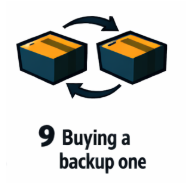
9 – “Buying a backup one” means the product is so good that you’re already thinking about what happens if it breaks… and your solution is simple: buy another one now, just in case. It delivers strong performance, feels dependable, and does exactly what you wanted without making you fight it. You’re happy with the purchase, confident in its quality, and you trust it enough to rely on it long-term.
What keeps a product at a 9 instead of a 10 is usually something small—maybe the price is a little higher than it should be, a feature is missing, or there’s one tiny annoyance that stops it from being legendary. Still, this is a product you’d recommend without hesitation and rebuy with confidence. A 9 means peace of mind: you like it enough that losing it would actually be a problem, and that’s the real test.
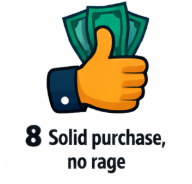
8 – “Solid purchase, no rage” means the product does what it promises and does it well, without making you angry in the process. It works as expected, feels worth the money, and doesn’t come with any major flaws that ruin the experience. You’re not blown away, but you’re also not disappointed—and that’s a win. This is the kind of product you finish using and think, “Yep, that was money well spent.”
An 8 usually lands here because while the product performs well, it doesn’t spark that “must own forever” feeling. Maybe the build quality is good but not amazing, or it gets the job done without any standout features. Still, there’s no regret, no urge to return it, and no emotional damage inflicted on your wallet. It’s dependable, reasonable, and drama-free enough that you’d recommend it to others who just want something that works.

7 – “It does the job without drama” is the definition of functional success. The product works, it solves the basic problem it’s supposed to solve, and it doesn’t actively try to ruin your day. You can use it without swearing at it, Googling fixes, or questioning the purchase every five minutes. It’s not exciting, but it’s competent—and sometimes that’s all you really need.
A 7 usually means there are a few compromises. Maybe the design feels cheap, the performance is just okay, or there’s nothing special about it compared to competitors. You’re not thrilled, but you’re also not mad. You wouldn’t rush out to buy a second one, and you probably wouldn’t brag about owning it, but you’ll keep using it because it gets the job done. This is the “fine, we’re good” tier: not impressive, not terrible, just quietly doing its thing.
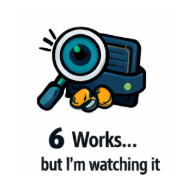
6 – “Works… but I’m watching it” is the trust-but-verify tier. The product technically does what it’s supposed to do, but something about it makes you uneasy. Maybe the build quality feels questionable, the software is a little buggy, or the performance is inconsistent. It hasn’t failed yet… but it feels like it might. This is the kind of product you don’t fully relax around—you keep one eye on it, waiting to see if it earns your trust or betrays it.
A 6 usually means there are noticeable flaws, just not enough to completely sink the product. You’re using it, but you’re not convinced it was the right call. You might still recommend it with heavy caveats like, “It works for me… so far.” It lives in that awkward middle ground where it’s useful today, but its future is suspicious. This is the rating where doubt officially enters the chat.

5 – “Aggressively average” is the exact middle of the Wallet Pain Index, and it’s somehow worse than just being bad. This product technically works, but only in the most uninspired, bare-minimum way possible. It doesn’t excel at anything, doesn’t completely fail at anything, and somehow still manages to be disappointing. You didn’t get ripped off… but you also didn’t get a win. It exists, and that’s about the nicest thing you can say about it.
A 5 usually means the product feels overpriced for what it offers, or it delivers the same experience as cheaper alternatives without giving you a reason to care. There’s no excitement, no pride of ownership, and no emotional attachment—just mild annoyance that you spent money for something so forgettable. You’ll probably keep using it because returning it feels like more effort than it’s worth, but deep down you know this was the most neutral purchase possible… and that neutrality somehow hurts.

4 – “Regret is forming” is where the bad vibes officially start creeping in. The product technically functions, but not well enough to justify what you paid for it. Little problems begin to pile up—slow performance, cheap materials, confusing design, or features that don’t work the way they should. You’re still using it, but now every time you do, there’s a small voice in your head saying, “Yeah… this was a mistake.”
A 4 means the disappointment is stronger than the satisfaction. You start thinking about the return window, comparing it to better options, and wondering why you didn’t just spend a little more (or less) on something else. It’s not a total disaster yet, but the seeds of buyer’s remorse are planted and growing fast. This is the danger zone where a product might redeem itself… but probably won’t.
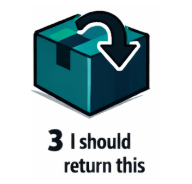
3 – “I should return this” means the product has crossed the line from disappointing into actively annoying. It doesn’t perform the way it should, important features don’t work right, or the quality feels way below what you paid for. At this point, you’re no longer trying to justify the purchase—you’re thinking about the box, the receipt, and how long you have before the return window closes.
A 3 usually comes with frustration and wasted time. You’ve probably already tried to make it work, adjusted settings, or lowered your expectations, and it still isn’t delivering. This isn’t a “maybe it’ll grow on me” situation—this is a “why is this in my house?” situation. The product might technically function, but it fails the basic test of being worth your money or effort. Returning it feels like the smartest move, not an overreaction.

2 – “Why does this exist” means the product is so bad or so poorly designed that you genuinely question how it made it to market. It barely works, works in the wrong way, or solves a problem that didn’t need solving in the first place. Using it feels like participating in a bad joke you didn’t agree to. At this level, the issue isn’t just that it’s disappointing—it’s that it seems pointless.
A 2 usually comes with confusion as much as frustration. Features don’t make sense, the build quality is laughable, and the user experience feels like it was never tested on real humans. You’re not just mad you bought it—you’re baffled that anyone thought this was a good idea. This is the tier where you stop asking “Is this worth the money?” and start asking “Who approved this?”

1 – “This offended me personally” is the absolute bottom of Jp’s Wallet Pain Index—the product didn’t just fail, it felt like an insult. It doesn’t work properly, doesn’t match its description, or actively makes your life worse. Using it feels like the company reached through the screen and said, “Yeah, we know this is trash… and we sold it to you anyway.” This is beyond disappointment; this is betrayal.
A 1 usually means wasted money, wasted time, and emotional damage. Setup is a nightmare, performance is a joke, and nothing about the experience makes sense or feels justified. You’re not even mad in a normal way—you’re personally mad. This is the product you warn others about, the one that earns a rant instead of a review. If a product lands here, it didn’t just fail the job… it failed you as a consumer and as a human being.